Pablo La Padula
Pablo La Padula was born in Buenos Aires, Argentina, in 1966. He is a Full Academician of the National Academy of Fine Arts, holding historical seat number 28. With a Doctorate and Licentiate degree in Biological Sciences from the Faculty of Exact and Natural Sciences at the University of Buenos Aires, he represents one of Argentina’s most important landmarks at the intersection of art, nature, and science.
His artistic work is included in the public collections of the National Academy of Fine Arts, the Museum of Sciences and Arts of the University of Campania “Luigi Vanvitelli” in Naples, Italy, the Buenos Aires Museum of Modern Art (MAMBA), and the Buenos Aires Museum of Contemporary Art (MACBA). His practice has been recently reviewed in international journals such as Exibart, Artforum, Sculpture Magazine, and Glass Art Society-GASNEWS. Concurrently, his scientific publications have appeared in high-impact international journals, notably Experimental Physiology, Nitric Oxide, Brain Research, Hypertension, Journal of Applied Physiology, and Journal of Hypertension, among others.
He is the current director of the Hypoxia and Cellular Respiration Laboratory at Taquini Institute for Translational Medicine Research (UBA-CONICET) and Director of CIENCIA HOY and CIENCIA HOY PARA NIÑOS magazines, and Academic Advisor for the Center for Art and Nature at the National University of Tres de Febrero (UNTREF-MUNTREF). He is a professor of Art and Science at UNTREF in the Electronic Arts degree program and at the National University of San Martín’s School of Art and Heritage. He also served as Cultural Advisor for the Ministry of Culture of the City of Buenos Aires (2019-2020).
Notable residencies and exhibitions include those at the Anatomical Museum of the University of Naples, Italy (2025), Port Tonic Art Center, Saint Tropez, France (2019), and his solo exhibition Stone View at Miranda Bosch Gallery, New York (2019-2020). His career recently featured his anthological exhibition Transhumo (MACBA, 2023), El lenguaje del humo (General San Martín Cultural Center, 2024), and Prometeo encontrado (INNOVA Space Art, Punta del Este, Uruguay, 2025). Furthermore, his work has been widely exhibited at major institutions, such as MALBA (Museum of Latin American Art of Buenos Aires), PROA Foundation, Fortabat Museum, the National Fund for the Arts, Fundación Klemm, Centro Cultural Recoleta, Centro Cultural General San Martín, Palais de Glace, Centro Cultural Rojas, and Libertad Palace (CCK) among others.
He actively develops an interdisciplinary platform between art, science, and nature, collaborating with and lecturing at leading institutions, including the MNBA, ANBA, MALBA, MAMBA, MACBA, CCK, PROA, FLACSO, and the Cultural Science Center (C3).
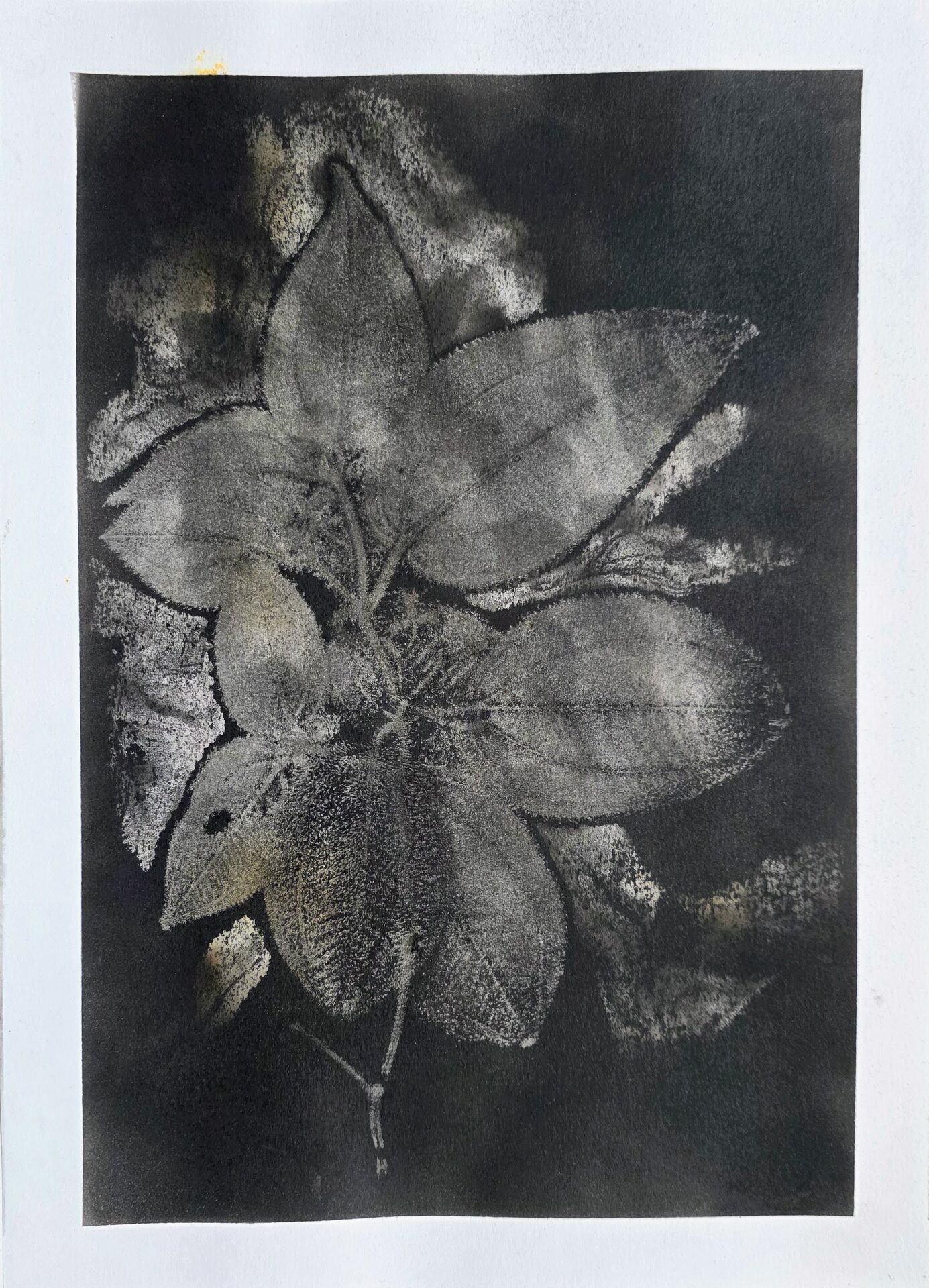
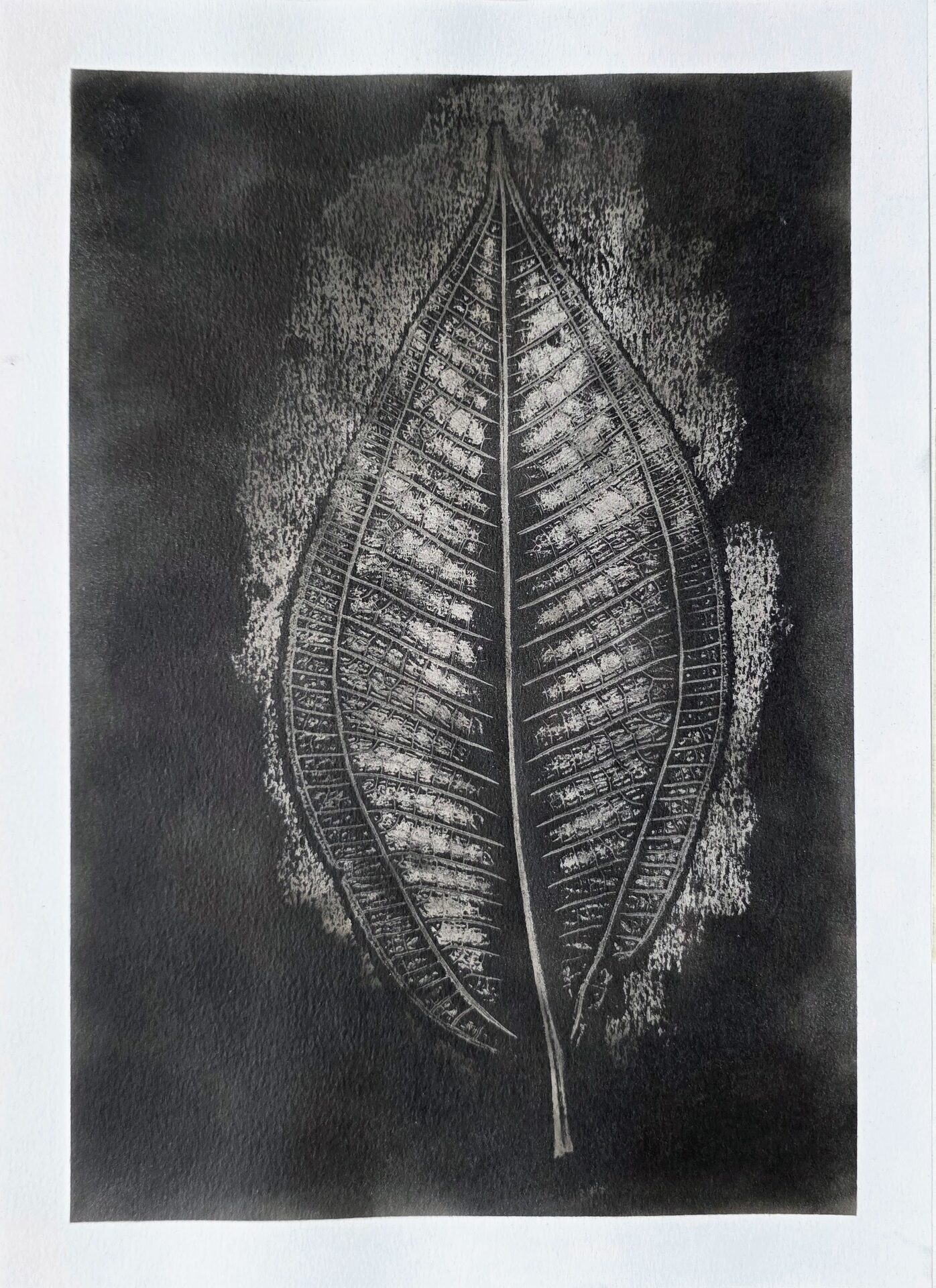
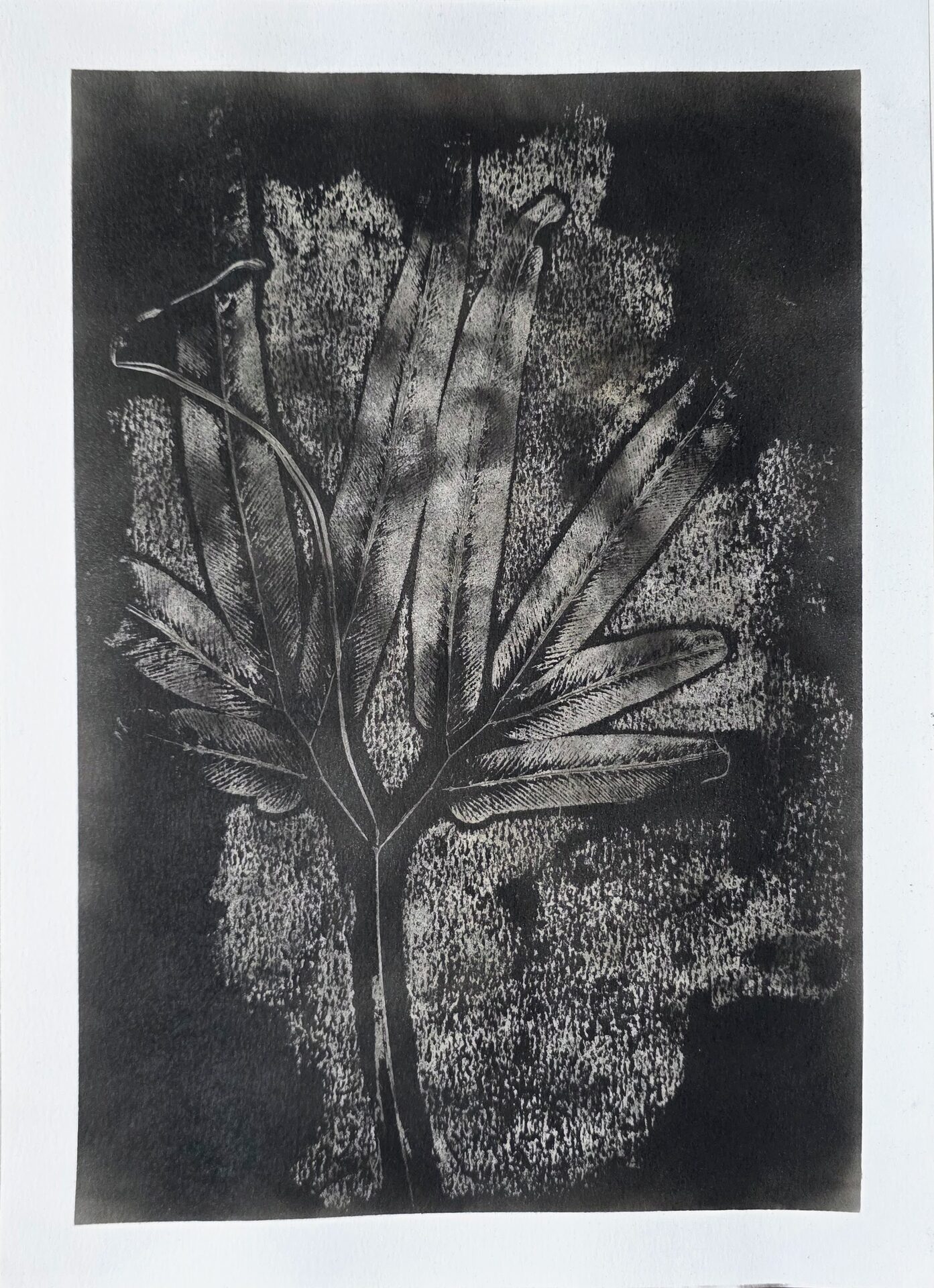
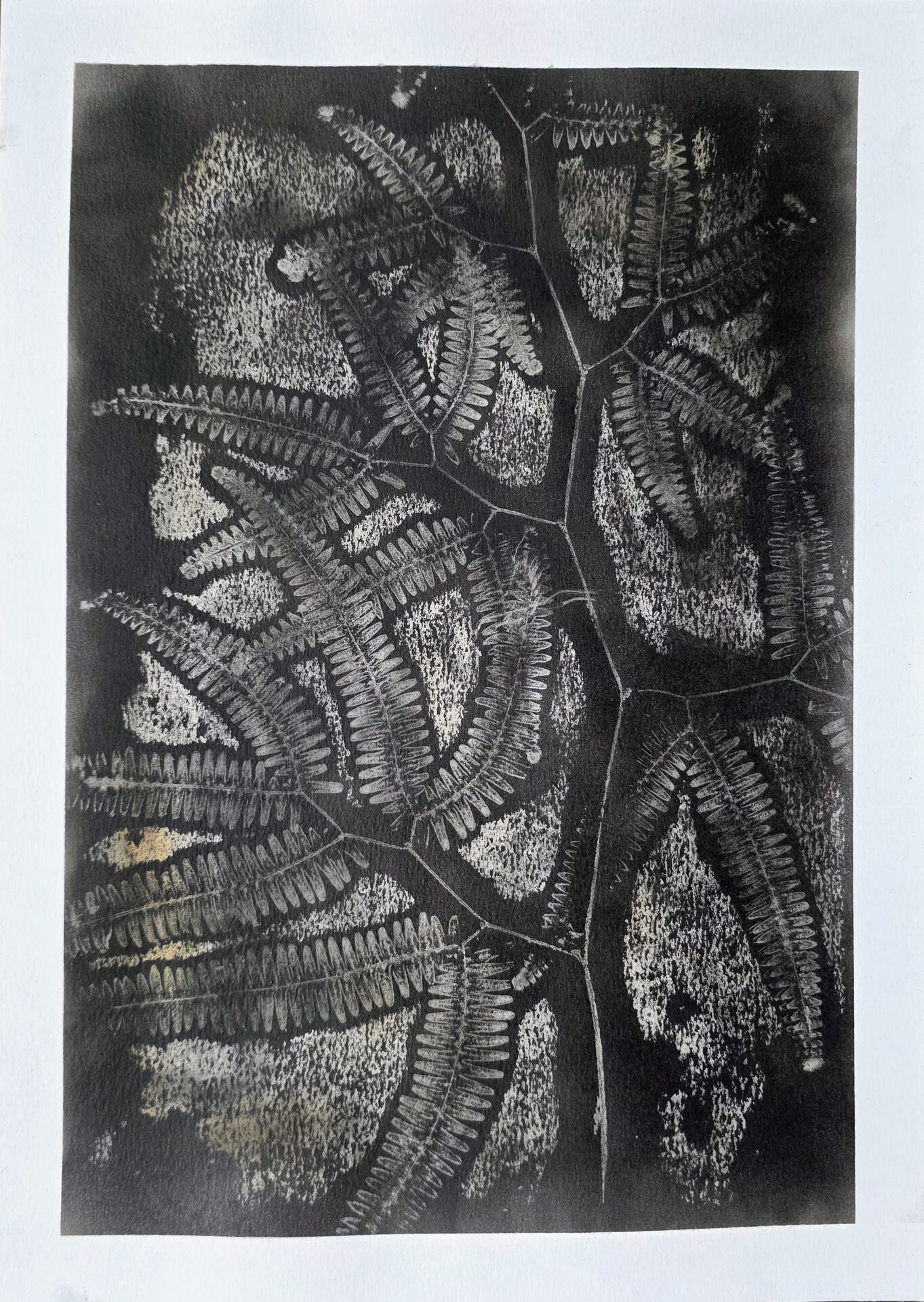
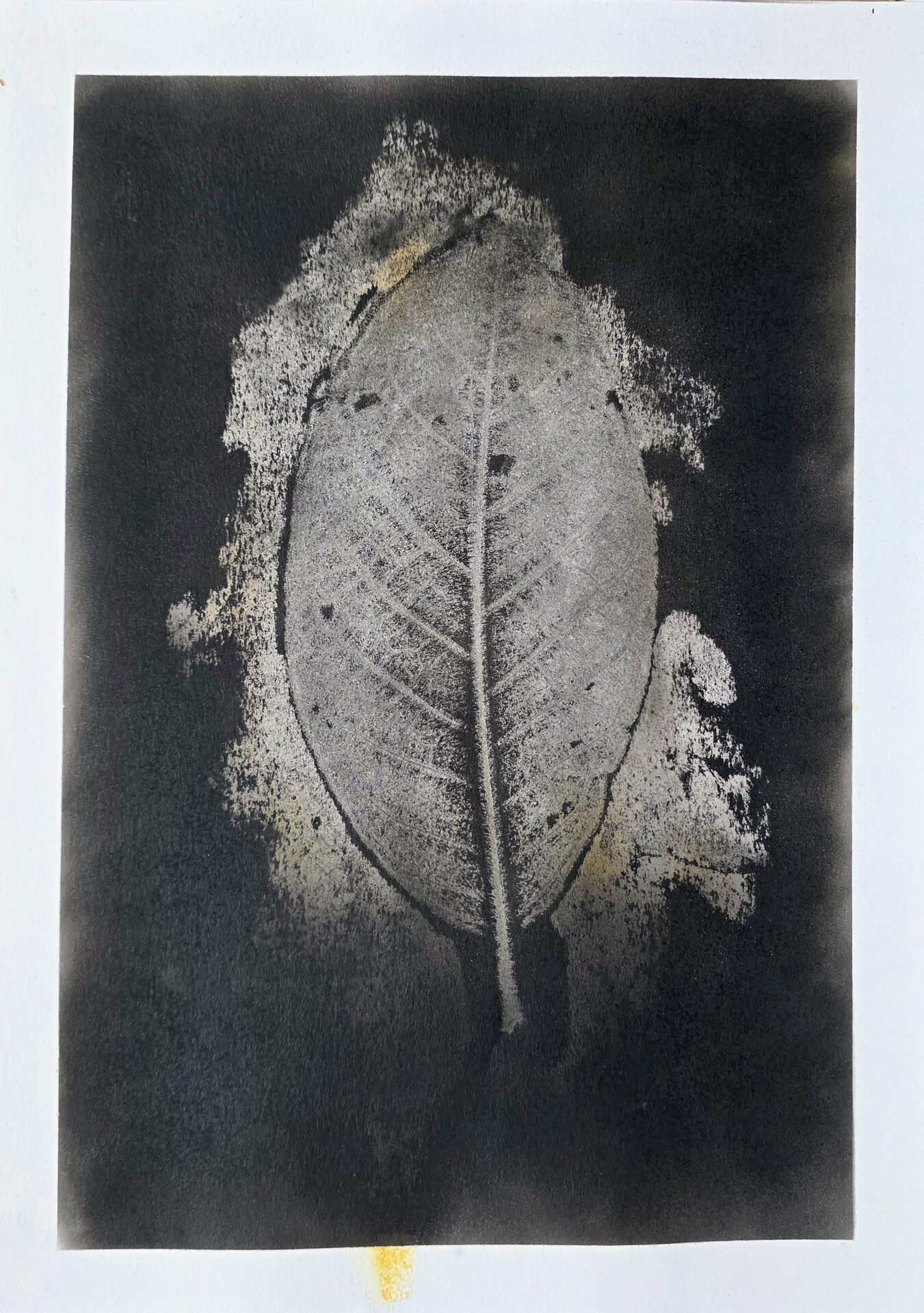
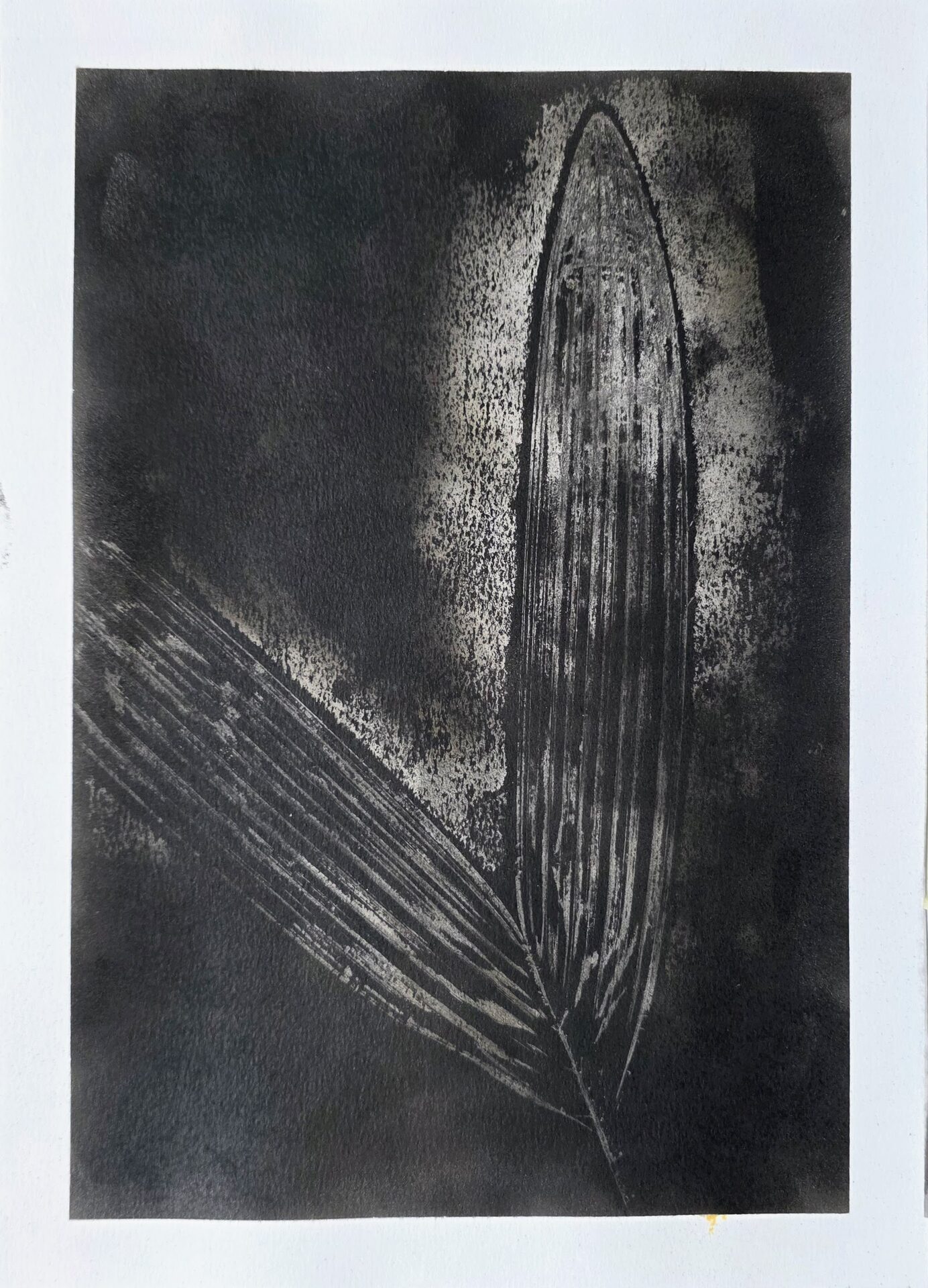
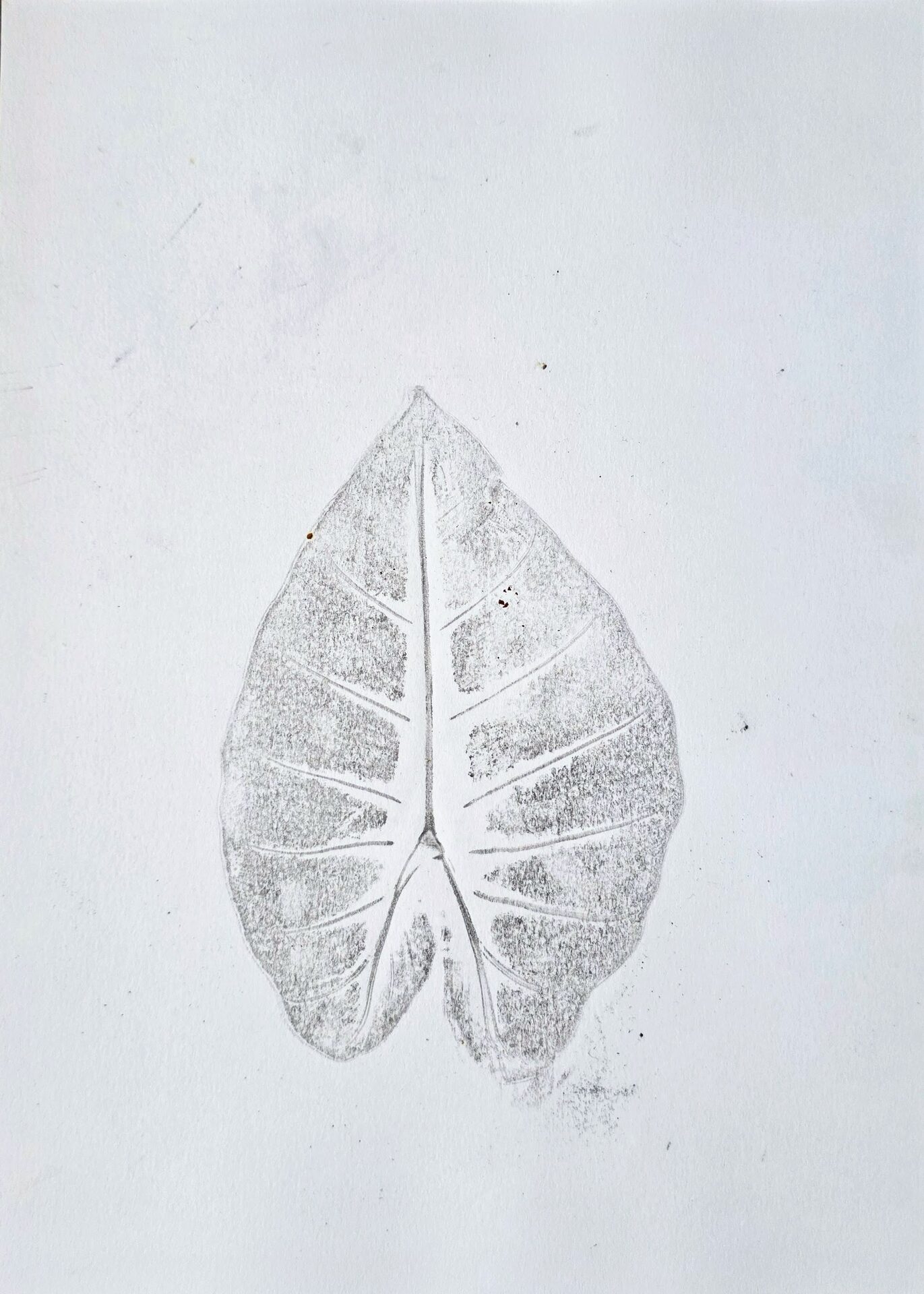
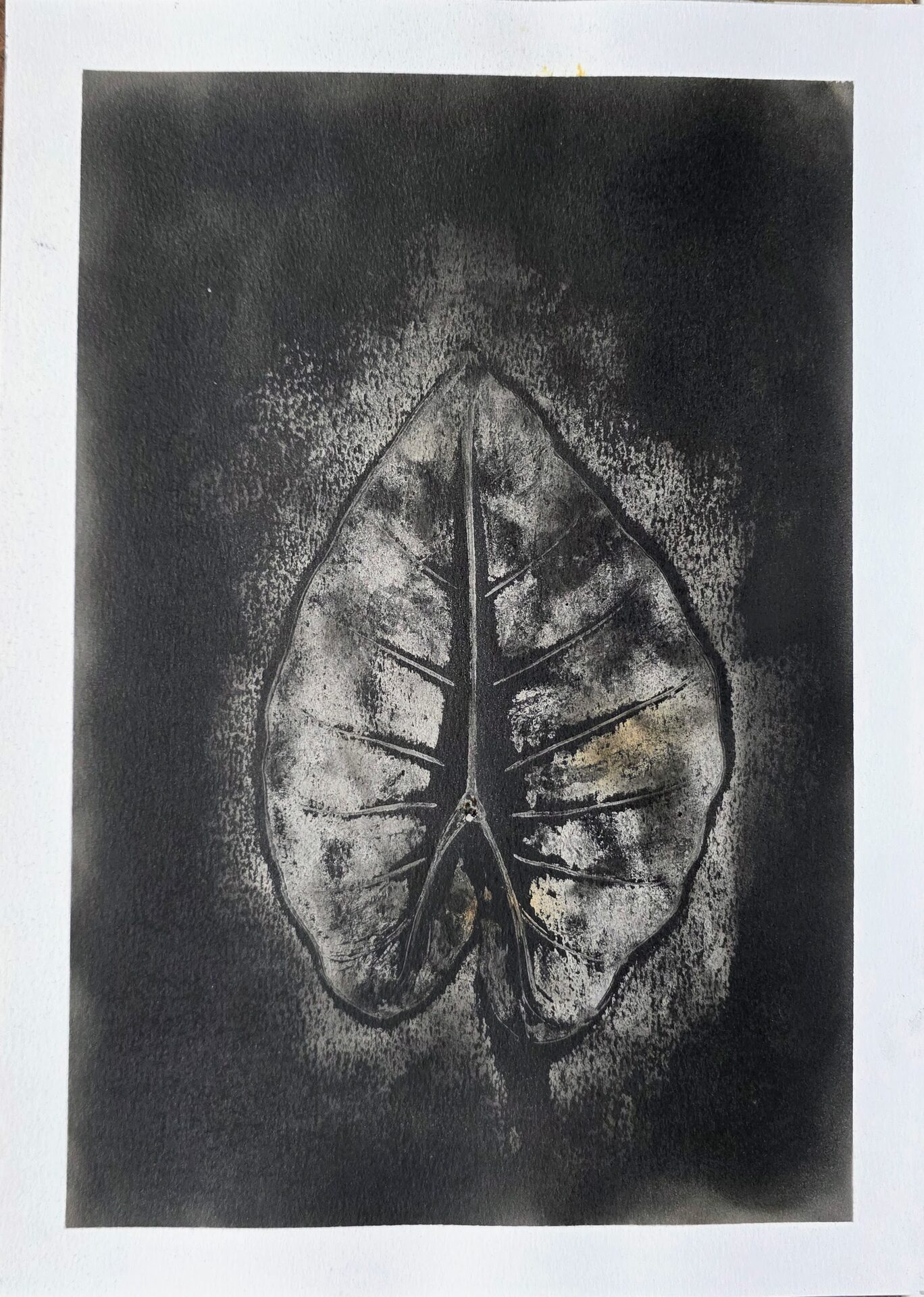
His project, Subtropical Smoke Herbarium, reinterprets the 18th and 19th-century European Enlightenment herbaria that once captured South America as a rediscovered paradise. Created in the pristine depths of the Brazilian subtropical rainforest—the very landscapes once chronicled by Rugendas—La Padula utilizes high-grammage paper and the smoke of a candle lit at night to record fascinating, chance encounters with different types of leaves. Through the capture of these botanical silhouettes in soot, the technique distills photosynthesis and cellular respiration into their primal element: carbon. Far from a dystopia, this exquisite chiaroscuro poetry celebrates the virtuous, romantic cycle of nature, where the vital footprint of the wilderness gracefully transitions from the vibrant colors of the sun into the original poetic dimension of shadows.
Subtropical Smoke Herbarium - Dual Flora
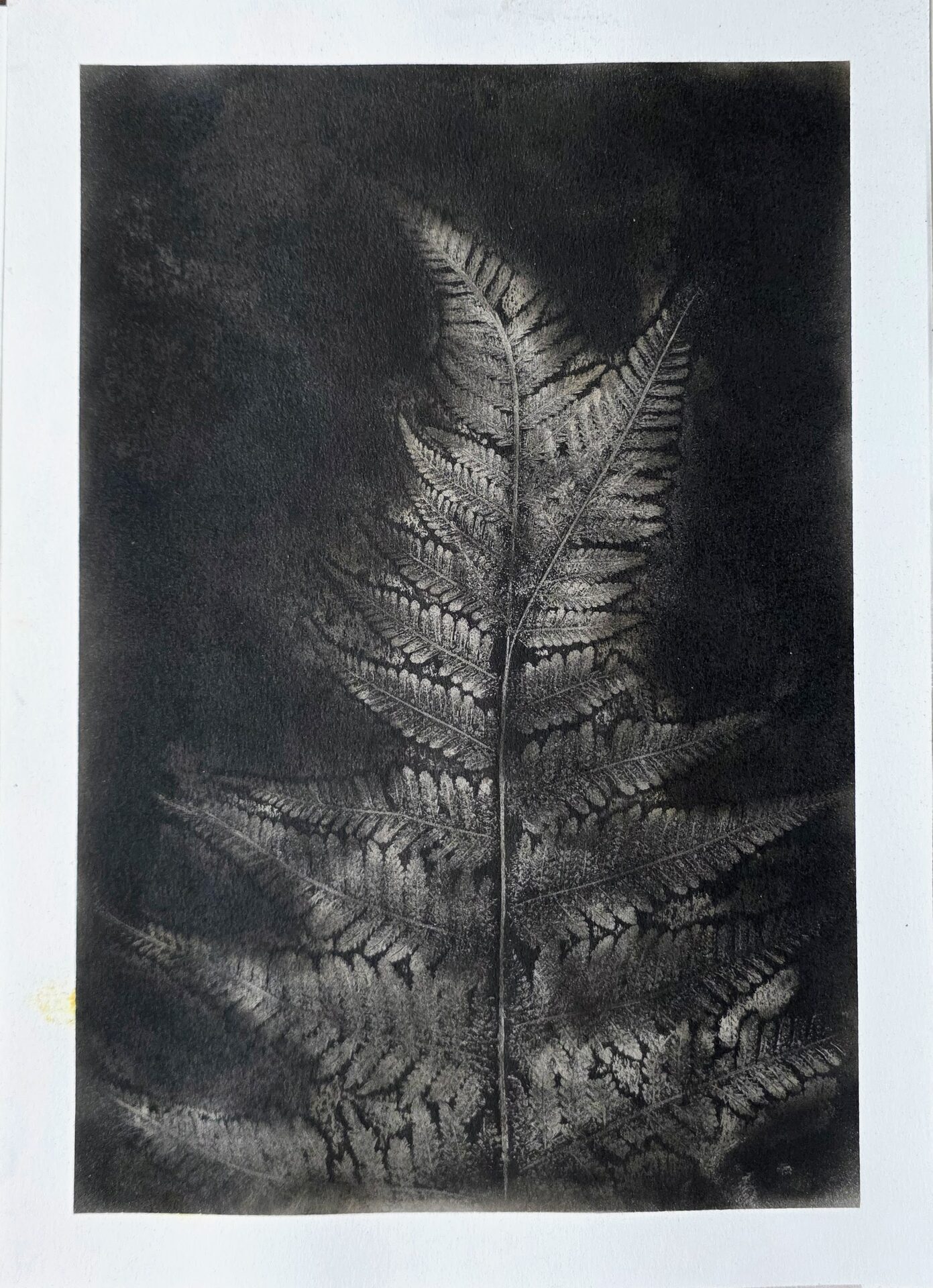
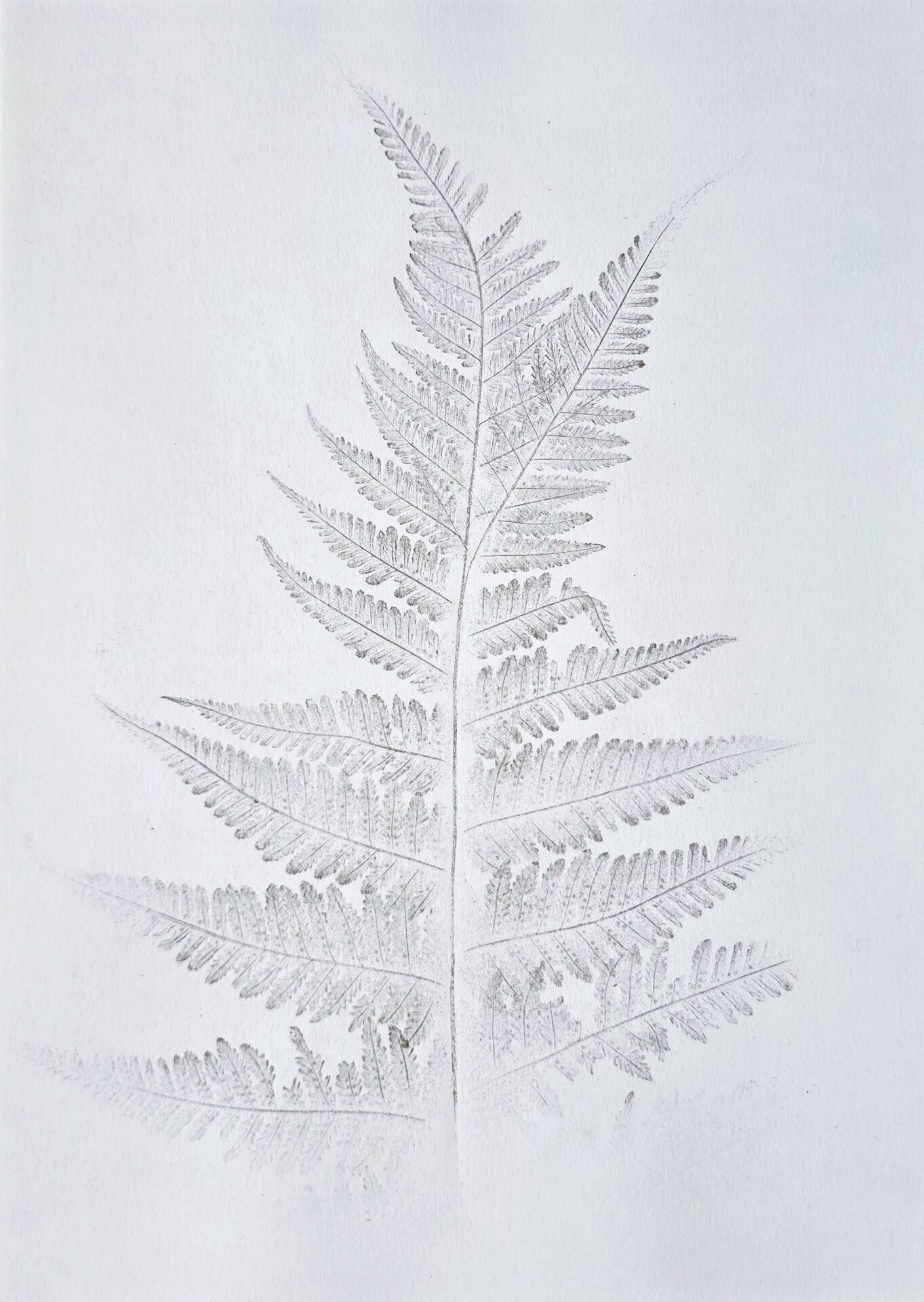
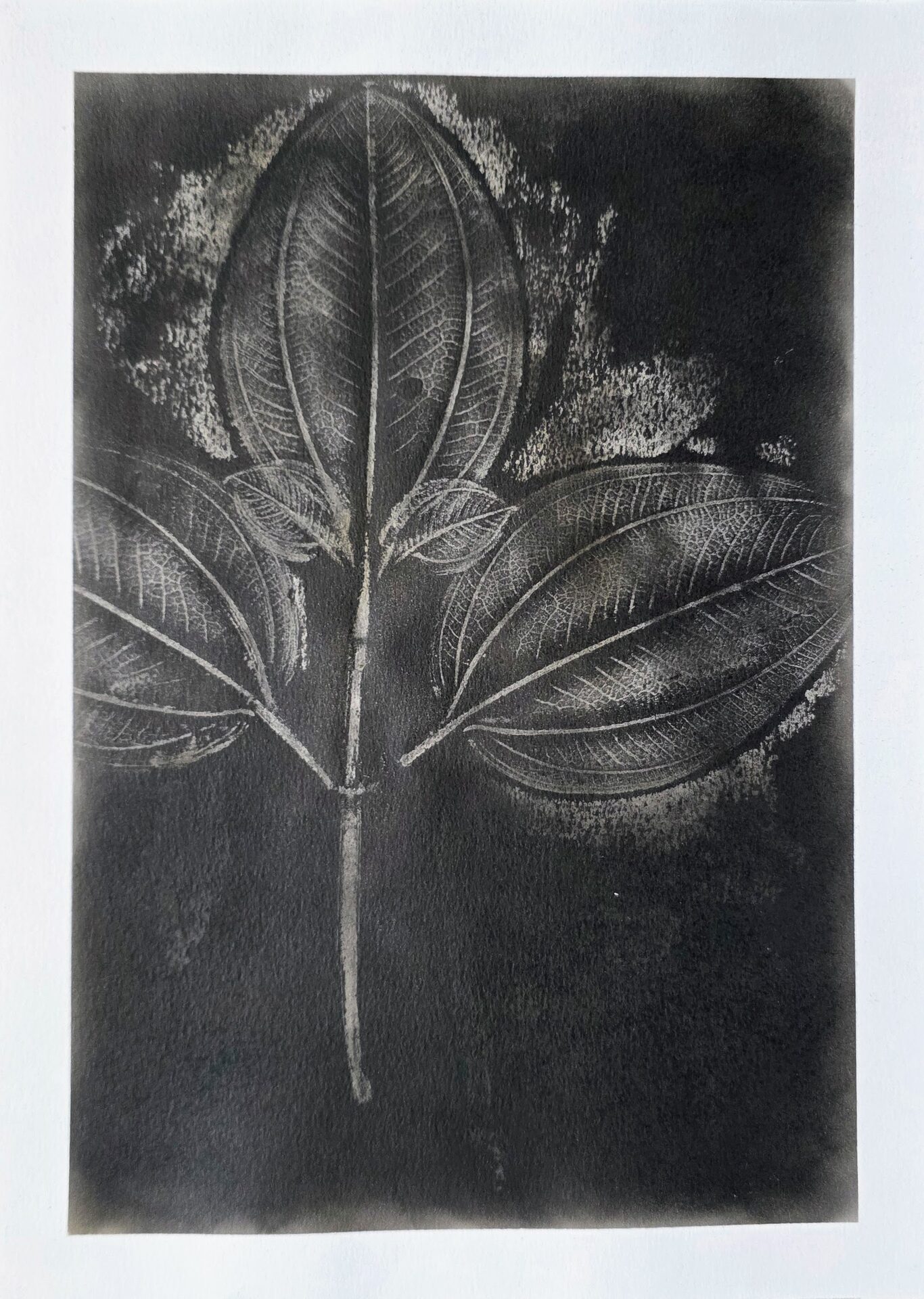
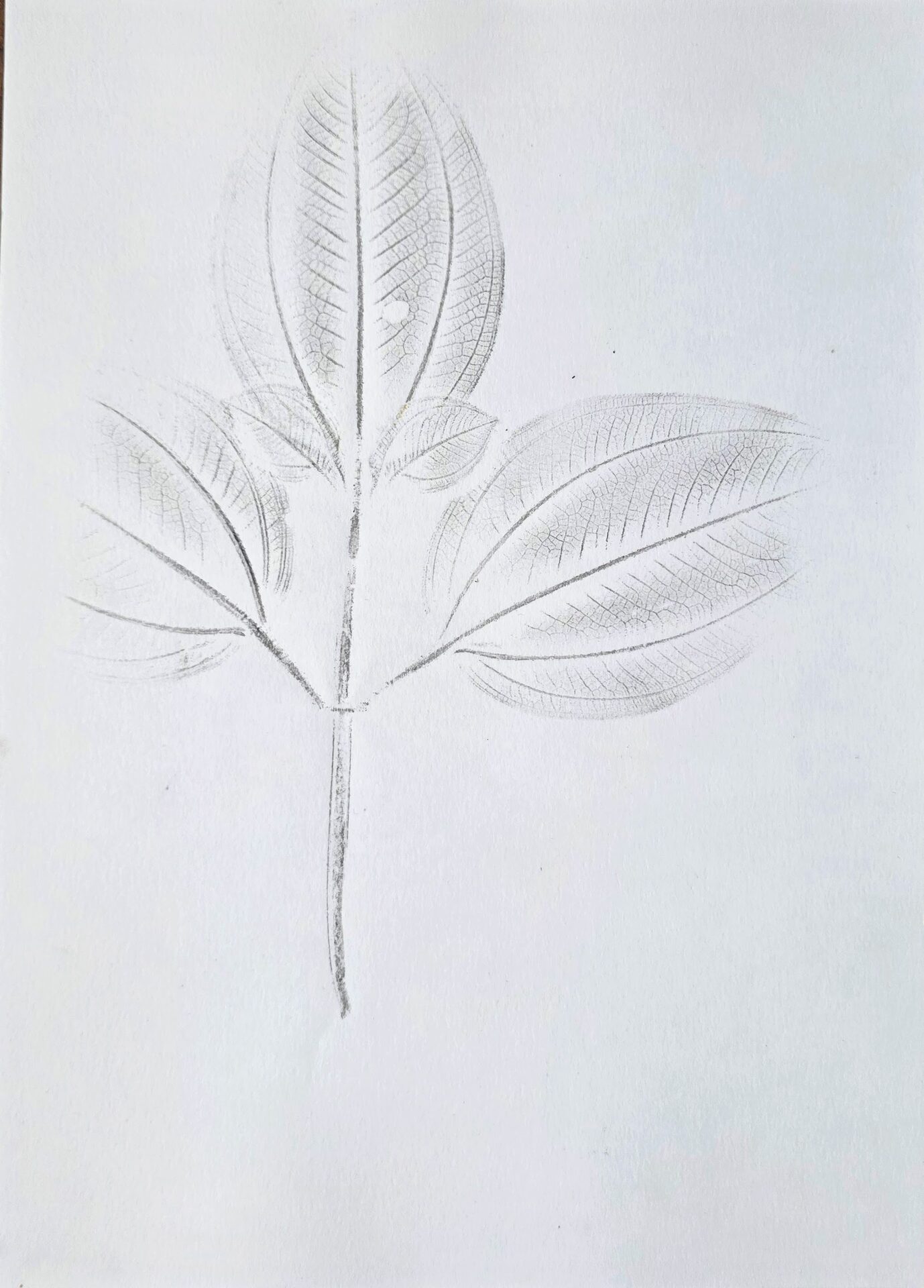
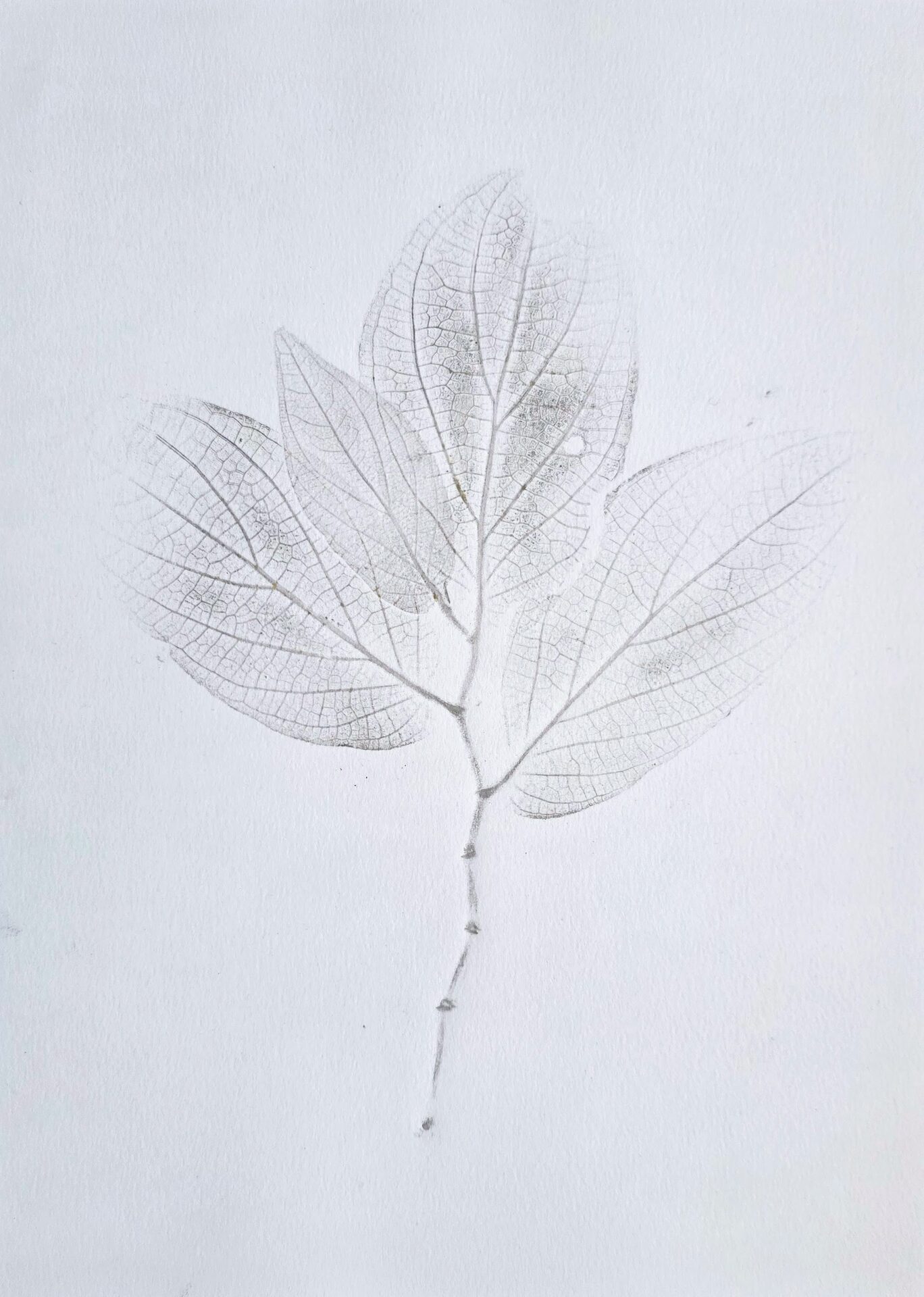
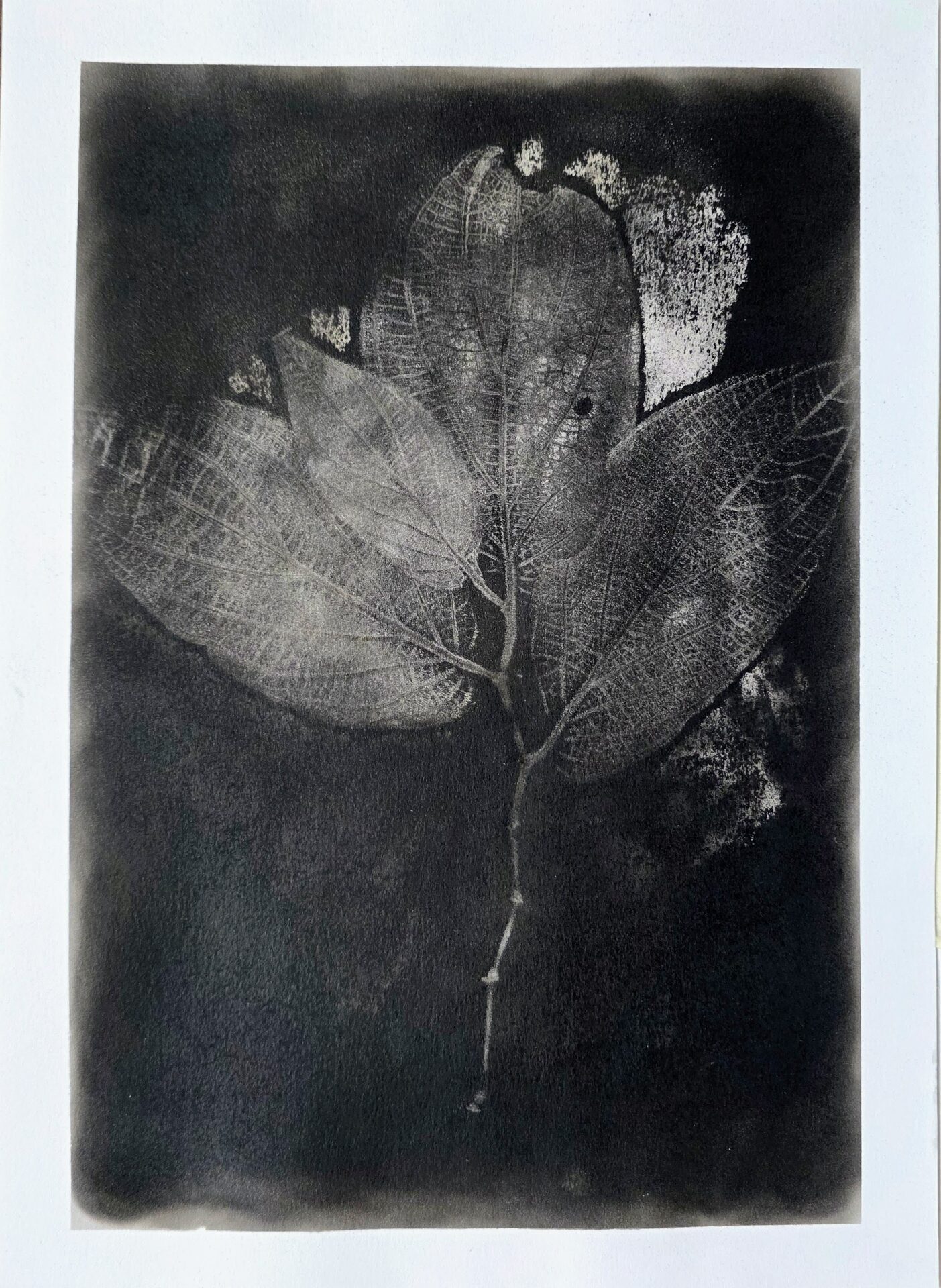
Subtropical Smoke Herbarium - Botanical Relics